
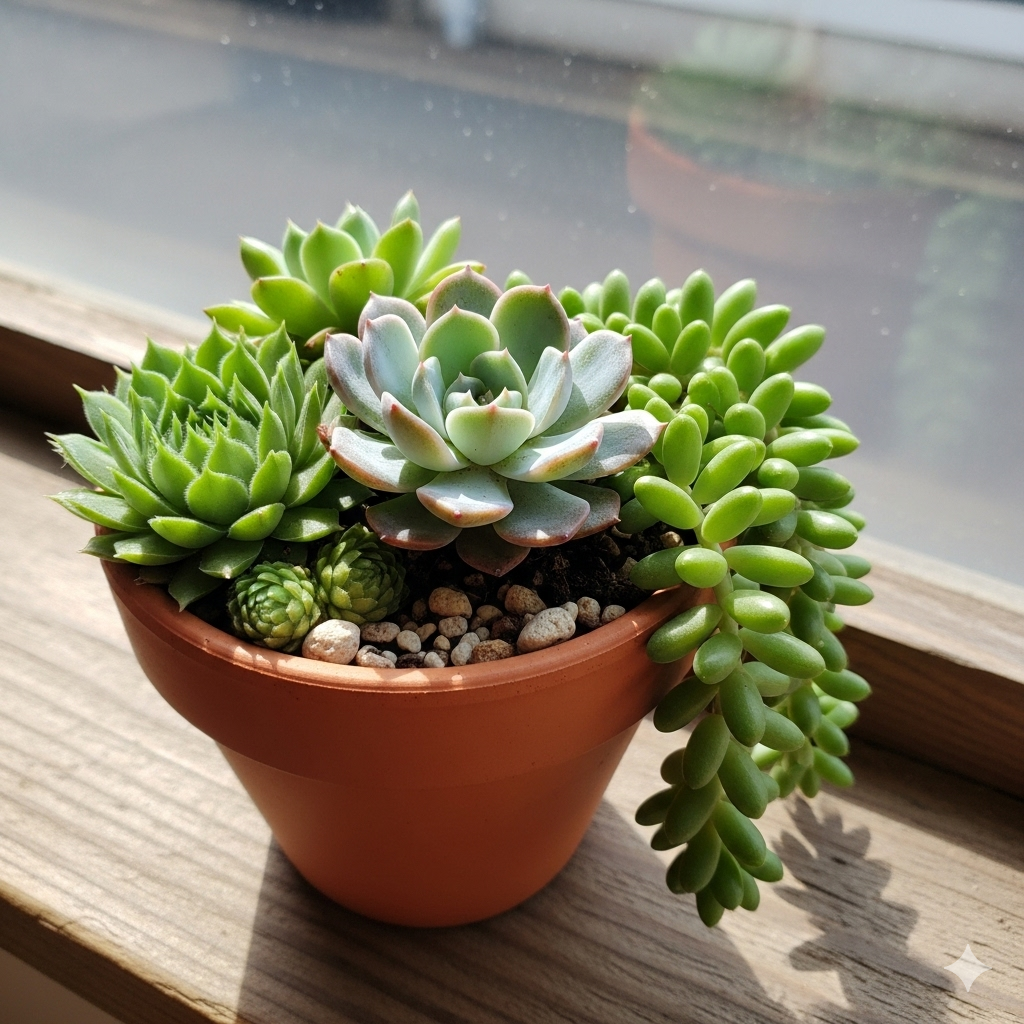
Succulents have become some of the most beloved plants for indoor and outdoor gardeners alike. Known for their fleshy leaves, sculptural shapes, and ability to store water, they are both beautiful and low-maintenance. However, one factor that makes the biggest difference in their health and appearance is sunlight. While succulents are hardy, their growth and vibrancy depend on being placed in the right spot. Finding the perfect sunny location ensures they thrive rather than simply survive.
This guide explores how much sunlight succulents need, the best places to grow them indoors and outdoors, and tips for spotting when they’re getting too little—or too much—light.
Understanding Succulent Sunlight Needs
Succulents are native to arid and semi-arid regions of the world, where they evolved to endure intense sunlight and limited rainfall. This adaptation means they love the sun, but not all varieties require the same amount of exposure. Generally, most succulents thrive with at least 6 hours of bright light daily, but the intensity of the light matters just as much as the duration.
When grown indoors, they may need a slightly different approach compared to outdoor conditions. The key is to balance enough brightness to support growth without exposing them to harsh rays that could cause sunburn.
Indoor Sunlight Tips for Succulents
Growing succulents indoors can be a rewarding experience, but it requires choosing the right location. Here are some beginner-friendly tips:
-
South-facing windows: These usually provide the brightest, most consistent light indoors. Place your succulents here if possible.
-
East-facing windows: Gentle morning light works well for many smaller varieties.
-
West-facing windows: These are also suitable but may bring strong afternoon light. Monitor for signs of scorching.
-
North-facing windows: Typically too dim, but can work if paired with a grow light.
If your home doesn’t have enough bright spots, don’t worry. Succulents respond well to artificial lighting. A simple LED grow light placed above them for 10–12 hours daily can mimic natural sunlight.
Outdoor Sunlight Tips for Succulents
Outdoors, succulents usually thrive in sunny conditions, but placement matters depending on your climate:
-
Cooler regions: Most succulents can handle full sun for the majority of the day.
-
Hotter regions: Provide some afternoon shade to prevent sunburn, especially during peak summer.
When moving succulents outdoors after being indoors, do so gradually. Direct sun exposure after time in a shaded environment can shock the plant and burn its leaves. Start by giving them a few hours of morning sun before extending the duration.
Signs of Too Little Light
Succulents will quickly show signs if they’re not receiving enough light:
-
Stretching (etiolation): The plant grows tall and leggy, with more space between leaves.
-
Loss of color: Vibrant shades fade into dull green.
-
Slow growth: The plant may stop producing new leaves or pups.
If this happens, move the plant to a brighter location or supplement with artificial lighting.
Signs of Too Much Sun
While succulents are sun-loving, they can still get too much of a good thing. Watch out for:
-
Brown or black patches: These are signs of sunburn.
-
Crispy, dry leaves: Indicates harsh exposure without enough acclimation.
-
Bleached appearance: Foliage turns pale or washed out.
If you notice these symptoms, shift the plant to a spot with filtered sunlight, such as under a shade cloth outdoors or behind a sheer curtain indoors.
Seasonal Sunlight Adjustments
Succulent care changes with the seasons. In summer, sunlight is stronger, so even sun-hardy plants may benefit from some afternoon shade. In winter, shorter days and weaker light may require moving them closer to a window or using grow lights to keep them healthy.
Being flexible and adjusting placement throughout the year ensures they continue thriving no matter the season.
Extra Tips for Light Management
To maximize success, combine proper sunlight with good general care:
-
Rotate regularly: Turn the pot every week or two so all sides receive equal light, preventing lopsided growth.
-
Clean the leaves: Dust blocks sunlight, so wipe leaves gently with a soft cloth.
-
Pair with correct watering: Plants in brighter spots may use water faster, while those in partial shade may need less. Always check the soil before watering.
-
Group by light needs: If you grow different varieties, place sun-hardy types in the brightest spots and shade-tolerant ones slightly back.
Conclusion
Finding the perfect sunny spot is the key to keeping succulents healthy, colorful, and well-shaped. While they generally love sunlight, not all situations are the same. Indoors, they thrive in south- or east-facing windows, while outdoors they prefer full sun with occasional shade in hot climates. Watching for signs of too little or too much light helps you adjust quickly and prevent long-term stress. By giving succulents the right balance of brightness and care, you’ll enjoy thriving plants that bring beauty and resilience to your home or garden.