
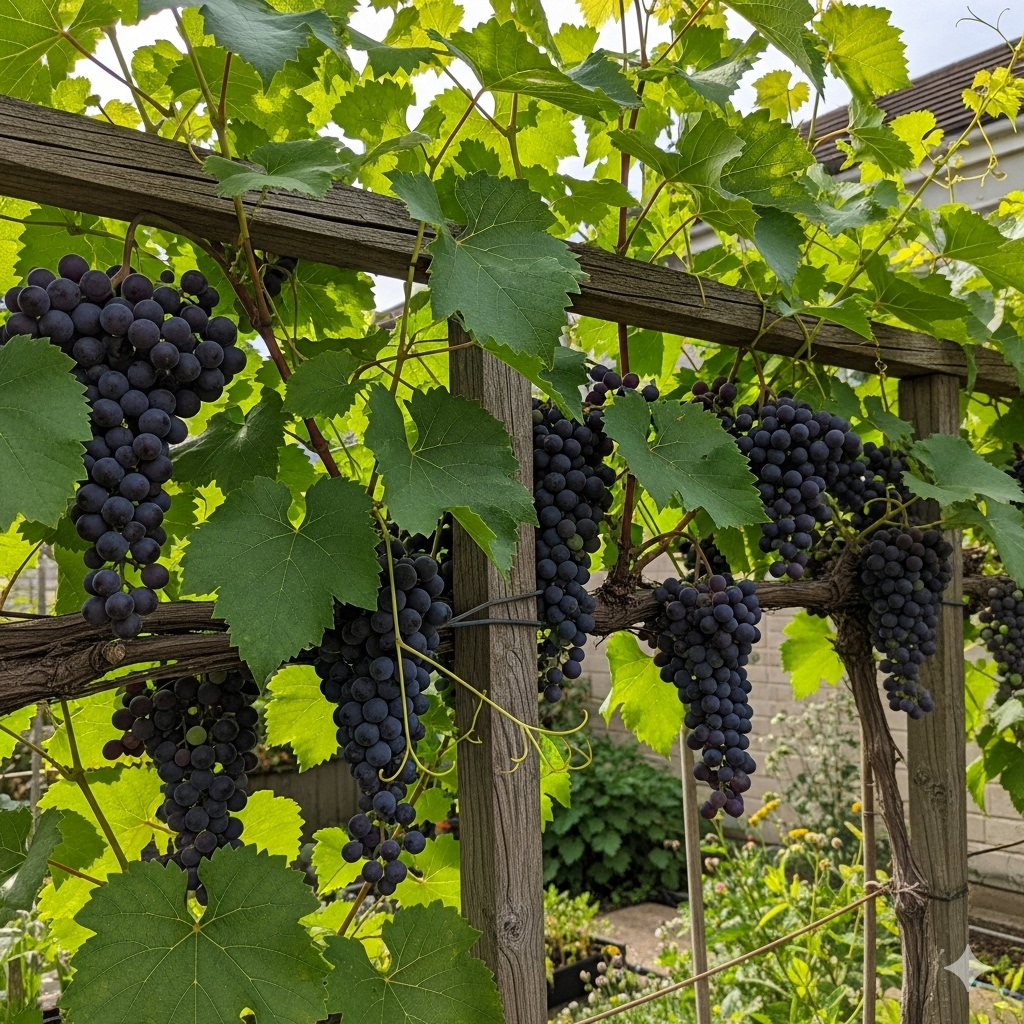
There is something inherently charming about vineyards—the neat rows of grapevines, the lush green foliage, and the clusters of ripe grapes hanging gracefully from sturdy branches. You don’t need acres of land to capture that vineyard ambiance. With the right wooden trellises, even a small garden or backyard can be transformed into a picturesque grape-growing space that evokes the elegance and structure of a traditional vineyard.
Why Trellises Are Essential for Grapes
Grapevines are vigorous climbers that naturally sprawl if left unsupported. Without proper support, vines can become tangled, leading to poor air circulation, reduced sunlight exposure, and a higher risk of diseases like powdery mildew or botrytis. Additionally, unsupported vines produce smaller, less abundant clusters of grapes and make harvesting more cumbersome.
Wooden trellises offer a practical and aesthetically pleasing solution. They elevate vines, optimize space, improve air and light distribution, and make the vineyard experience achievable even in compact areas.
Choosing the Right Wooden Trellis
Selecting the right trellis is critical for both functionality and appearance. Consider the following factors:
-
Material: Opt for untreated, rot-resistant wood such as cedar, redwood, or teak. These woods can withstand weather conditions without harming the vines. Avoid chemically treated wood that could leach toxins into the soil.
-
Design: Classic vineyard-style trellises often include horizontal crossbars or lattice structures, providing multiple points for tying vines and supporting grape clusters. A-frame and pergola-style trellises also work well for small spaces, adding vertical dimension and visual interest.
-
Height and Width: Standard grape trellises are 5–6 feet tall, with enough width to accommodate vine spread. The size should allow for pruning and maintenance without overcrowding.
Installing a Wooden Grape Trellis
Proper installation ensures stability and optimal vine support:
-
Location: Grapevines thrive in full sun, so select a sunny spot with at least 6–8 hours of direct sunlight per day.
-
Soil Preparation: Well-draining soil enriched with organic matter provides the foundation for strong, healthy grapevines.
-
Securing the Trellis: Place the posts firmly in the ground, using concrete if necessary for added stability. Horizontal crossbars or lattice panels should be level and sturdy enough to bear the weight of mature vines and grape clusters.
Training Vines on the Trellis
Training grapevines correctly is key to a productive and visually appealing trellis:
-
Initial Guidance: Start guiding young vines along the trellis as soon as they sprout. This early training encourages structured growth.
-
Tying Vines: Use soft plant ties or garden twine to gently secure vines to the trellis. Avoid tight knots that could damage the stems.
-
Pruning: Regular pruning is essential to remove overcrowded or dead branches, encourage airflow, and direct energy toward producing large, healthy grape clusters.
-
Fruit Support: As grape clusters develop, ensure they have adequate support to prevent stems from snapping under their weight. Twisting vines around the trellis framework or using small slings can provide additional stability.
Benefits Beyond Support
Wooden grape trellises offer several advantages beyond basic support:
-
Air Circulation and Sunlight: Elevating the vines increases airflow and sunlight exposure, reducing disease risk and improving fruit quality.
-
Ease of Maintenance: With vines organized and elevated, pruning, pest management, and harvesting are simpler and more efficient.
-
Aesthetic Appeal: Wooden trellises add a natural, rustic charm to any garden, creating a visually structured vineyard-style layout that can become a focal point.
-
Space Optimization: Vertical growth allows more vines in a smaller area, making it ideal for home gardens or urban plots.
Tips for a Successful Vineyard Feel
-
Spacing: Keep rows or trellises at least 4–6 feet apart to allow airflow and easy access for maintenance.
-
Consistent Training: Regularly check vine growth and re-tie or adjust as necessary to maintain the trellis structure.
-
Seasonal Care: Water consistently during dry periods, and mulch around the base to retain moisture and control weeds.
-
Fertilization: Apply balanced fertilizer in early spring to encourage vigorous growth and abundant fruit production.
Conclusion
Wooden grape trellises are more than just practical structures—they are the backbone of a vineyard-style garden. By providing sturdy support, improving sunlight exposure and air circulation, and adding a timeless aesthetic, these trellises allow gardeners to cultivate healthy, high-yielding grapevines in any backyard. Whether you’re a beginner or an experienced grower, incorporating wooden trellises into your garden can transform your space, bringing the beauty, structure, and charm of a traditional vineyard right to your home.