
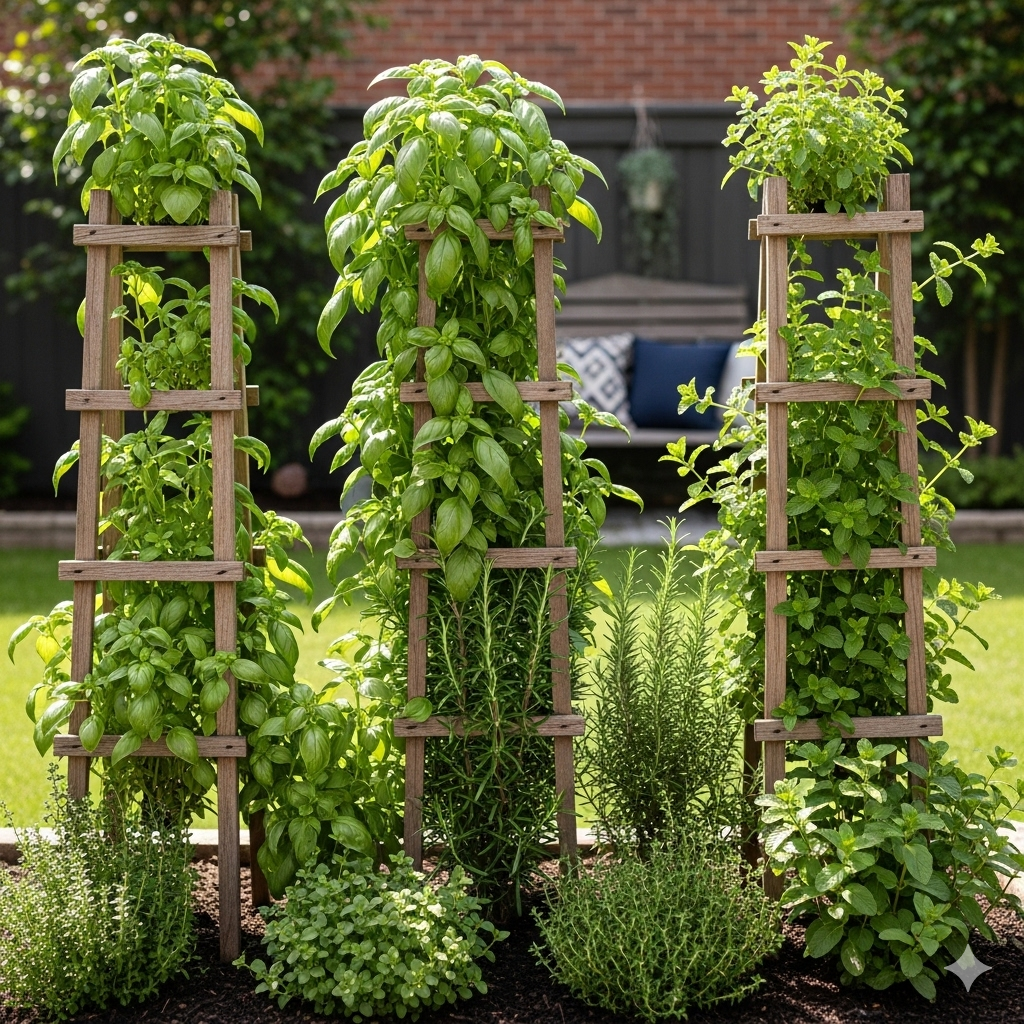
Growing aromatic herbs is one of the most rewarding gardening experiences. Whether you are cultivating basil, rosemary, mint, thyme, or oregano, these plants bring fragrance, flavor, and natural beauty to any garden. While many gardeners grow herbs in pots or raised beds, using wooden A-frame structures provides a creative, space-saving, and visually appealing way to cultivate a wide range of herbs.
A-frames, known for their triangular shape, have long been used in gardening to support climbing plants and vegetables. When adapted for herbs, these wooden structures can serve as vertical planters, maximizing growing space while adding a rustic charm to patios, balconies, or backyards.
Why Choose Wooden A-Frames for Herbs?
Aromatic herbs thrive when given proper light, airflow, and drainage. Wooden A-frames provide an ideal growing system by lifting herbs off the ground and arranging them in a vertical display. This method offers several advantages:
-
Efficient Use of Space – Instead of spreading pots across the ground, A-frames allow herbs to be grown in tiers, making them perfect for small gardens or urban spaces.
-
Improved Sun Exposure – The angled design ensures that plants on different levels receive adequate sunlight, helping herbs grow evenly and remain healthy.
-
Better Air Circulation – Elevating plants improves airflow, reducing the risk of fungal diseases and keeping leaves dry after watering.
-
Rustic Aesthetic – Wooden A-frames blend beautifully into natural settings, creating a functional yet decorative garden feature.
-
Flexibility – An A-frame can be built in different sizes, from small tabletop versions for a balcony to large freestanding frames for a backyard garden.
Designing a Wooden A-Frame for Herbs
When constructing a wooden A-frame, design and functionality should go hand in hand. Here are a few considerations:
-
Size and Height: Decide how many tiers you want for your herbs. A small A-frame may hold two or three shelves, while larger frames can hold multiple rows.
-
Wood Type: Use untreated, rot-resistant wood such as cedar, cypress, or redwood. Avoid chemically treated lumber, as toxins can leach into the soil.
-
Shelves or Boxes: Each side of the A-frame can hold planter boxes, hanging pots, or horizontal shelves designed to accommodate herb containers.
-
Stability: Ensure the frame is strong enough to hold the combined weight of soil, plants, and water. Wider bases provide greater stability.
How to Build a Simple Wooden A-Frame
Building a wooden A-frame is a straightforward project that requires only basic tools.
Materials Needed: Wooden planks, screws, nails, a drill, saw, and planter boxes or pots.
Steps:
-
Cut the Wood – Cut four long planks of equal length to form the legs of the frame.
-
Assemble the Frame – Join two planks at the top to form a triangle, and repeat with the other two. Secure the two triangles together with crossbars at the top and bottom.
-
Add Shelves or Boxes – Attach horizontal planks across each side of the frame to hold planter boxes or pots.
-
Secure and Stabilize – Reinforce with diagonal braces if needed to ensure the structure remains sturdy.
-
Fill with Herbs – Arrange herbs according to their light and water needs, placing sun-loving varieties higher up and shade-tolerant ones lower down.
Best Herbs for A-Frame Planting
Some herbs naturally adapt well to vertical structures:
-
Basil – Thrives in full sun and grows beautifully in planter boxes.
-
Thyme – Compact and low-maintenance, perfect for smaller sections.
-
Mint – A vigorous grower best kept in contained pots to prevent spreading.
-
Rosemary – Woody and upright, ideal for mid-level placement.
-
Oregano and Marjoram – Hardy, aromatic herbs that flourish in sunny, well-drained conditions.
-
Parsley – Great for lower shelves where it benefits from some shade.
By mixing different herbs, gardeners can create a vibrant, fragrant living display.
Care and Maintenance
To keep herbs thriving in wooden A-frames:
-
Water Regularly – Herbs in raised containers dry out more quickly, so consistent watering is key. Use a watering can with a long spout for easier access to upper shelves.
-
Fertilize Occasionally – Apply a diluted organic fertilizer every few weeks to replenish nutrients.
-
Prune for Growth – Regularly snip herbs to encourage bushier growth and prevent plants from becoming leggy.
-
Protect the Wood – To extend the life of the frame, consider applying a natural, food-safe sealant to resist moisture.
Benefits Beyond Gardening
Wooden A-frames not only provide a practical growing system but also enhance outdoor living spaces. They serve as decorative features, bringing greenery to patios and balconies. The aromatic scents of herbs add a sensory dimension to the garden, making the space more inviting. Moreover, harvesting fresh herbs directly from a wooden A-frame for cooking brings convenience and freshness to everyday meals.
Final Thoughts
Wooden A-frames are a creative and sustainable way to grow aromatic herbs in any space. They combine function and beauty, offering a solution for gardeners who want to maximize limited areas while keeping plants healthy and accessible. With their rustic charm and practical benefits, A-frames transform herb gardening into both a productive and decorative pursuit.
Whether you’re working with a small balcony, a patio corner, or a full backyard, a wooden A-frame can hold your favorite aromatic herbs and turn your gardening space into a fragrant, flourishing retreat.