
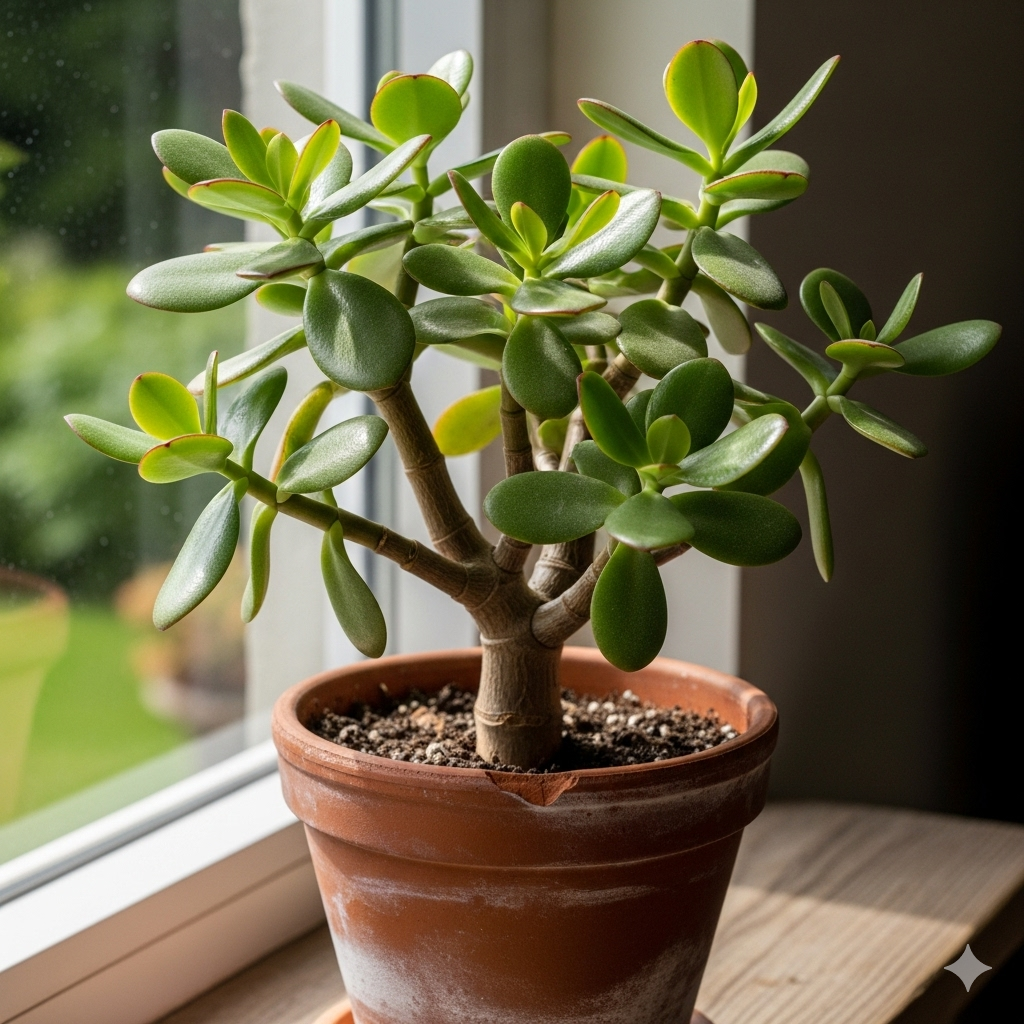
Jade plants (Crassula ovata), often called money plants or lucky plants, are cherished for their thick, glossy leaves and symbolic connection to prosperity. With their tree-like structure and longevity, they are popular choices for both homes and offices. However, like many succulents, jade plants are closely associated with sunlight and dry conditions. This leads many plant owners to wonder: can jade plants survive in low-light environments?
The short answer is yes—jade plants can survive in low light, but they will not thrive or reach their full potential without adequate brightness. Understanding how these plants respond to different light levels can help you choose the best spot indoors and ensure long-term health.
Natural Light Needs of Jade Plants
In their native habitat of South Africa and Mozambique, jade plants grow in bright, sunny conditions. They are adapted to absorb plenty of sunlight through their fleshy leaves, which act as water reservoirs. This adaptation makes them efficient at storing energy but also explains why they prefer abundant light when grown indoors.
Ideally, jade plants do best with at least 4–6 hours of bright, indirect light per day. Direct sunlight for part of the day, especially in the morning or late afternoon, can encourage compact growth and vibrant leaf color. Without enough light, jade plants become more vulnerable to problems like leggy growth, dull foliage, and even root rot from overwatering.
Can Jade Plants Tolerate Low Light?
Jade plants are remarkably resilient, so they can survive in low-light spaces for a period of time. In darker rooms, they may continue to live but will often grow more slowly. Their stems may stretch out toward the nearest light source, and their leaves may appear smaller or paler. Over time, the plant may lose its characteristic compact, tree-like form.
In essence, jade plants can tolerate low light, but they do not prefer it. They will survive, but they won’t thrive. If your home or office has limited natural sunlight, you can still keep a jade plant healthy by making a few adjustments.
Best Indoor Spots for Jade Plants
When choosing a location, consider the following tips:
-
Near a bright window: A south-facing window is ideal, as it provides the most consistent light throughout the day. East- or west-facing windows are also suitable.
-
Filtered sunlight: If your window receives intense afternoon sun, use a sheer curtain to protect the leaves from scorching.
-
Away from dark corners: Avoid placing jade plants in spots with no natural light at all unless you can provide supplemental lighting.
If you have only north-facing windows or very shaded rooms, supplementing with artificial light is often the best solution.
Using Artificial Light for Support
Grow lights can help jade plants thrive indoors when natural light is scarce. Full-spectrum LED grow lights are ideal, as they mimic the range of natural sunlight. Position the light about 8–12 inches above the plant and keep it on for 10–12 hours daily. This setup can make up for the lack of natural brightness, ensuring that your jade plant maintains its compact shape and strong leaves.
Signs of Light Stress in Jade Plants
Jade plants will often show signs when they are not receiving the right amount of light:
-
Too little light: Stretched-out, leggy stems, smaller leaves, pale or yellowing foliage, and slow growth.
-
Too much intense light: Brown patches or scorched spots on the leaves, particularly if the plant sits in hot afternoon sun.
-
Balanced light: Firm, glossy leaves with a rich green color and steady, compact growth.
Regularly observing your plant’s appearance will help you adjust its position before damage becomes severe.
Extra Tips for Low-Light Care
If you plan to keep your jade plant in a low-light environment, a few care adjustments can make a big difference:
-
Water less often: In low light, jade plants use less energy and water. Overwatering is a common cause of root rot in shady conditions. Always allow the soil to dry before watering again.
-
Rotate the plant: Turn the pot every few weeks to prevent leaning toward one side.
-
Keep leaves clean: Dust can block valuable light, so gently wipe the leaves with a damp cloth.
-
Be patient with growth: Expect slower development in dimmer spaces, but don’t confuse this with poor health as long as the plant looks otherwise healthy.
Conclusion
Jade plants can survive in low-light conditions, but they will not be at their best without sufficient brightness. While they may adapt to shadier corners, expect slower growth, stretched stems, and less vibrant foliage. To help your jade plant thrive indoors, aim to provide several hours of bright, indirect light each day or supplement with a grow light if natural sunlight is limited. With proper care and mindful placement, jade plants can bring beauty and good fortune to your space, even if the sun is not always shining directly on them.