
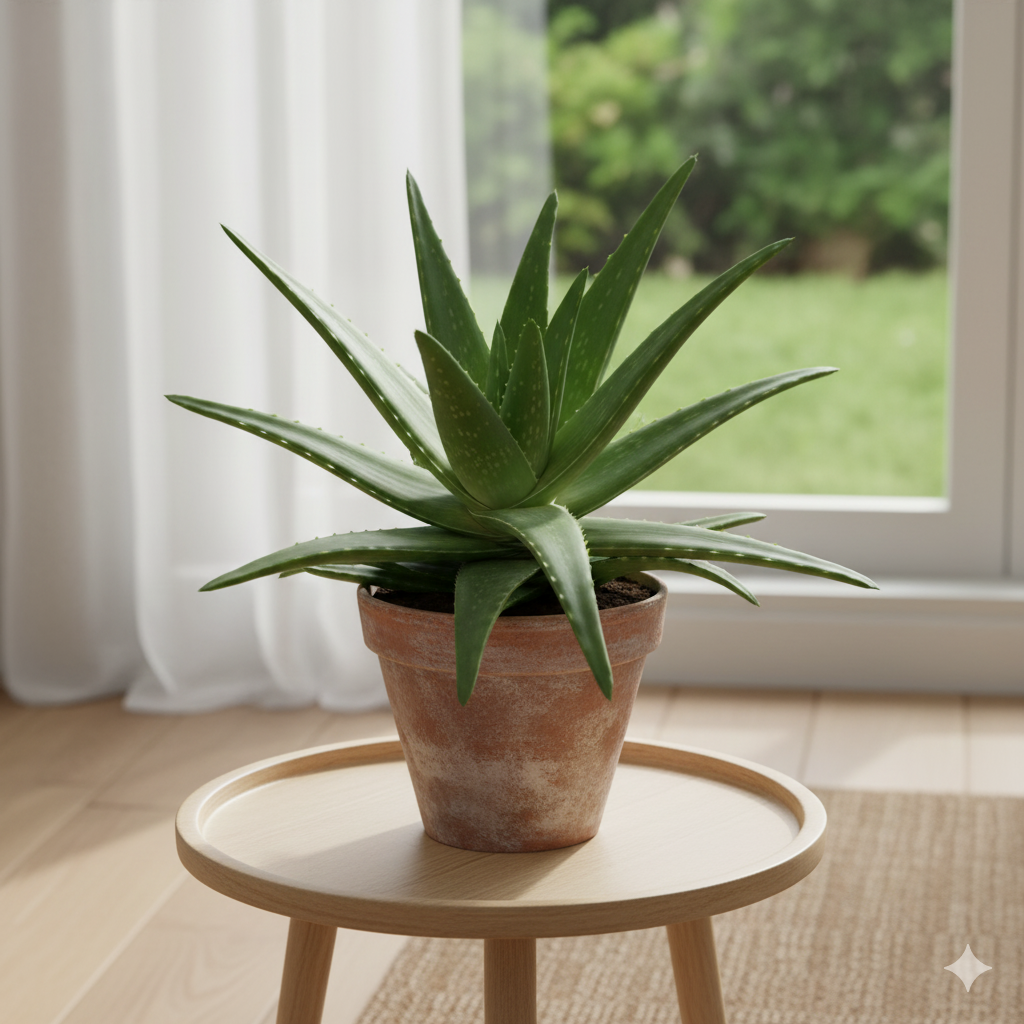
Aloe vera is one of the most popular succulents grown indoors and outdoors, cherished for its medicinal properties, low-maintenance nature, and striking, spiky leaves. Its soothing gel is widely used for skin care and minor burns, making it both an attractive and functional plant to keep at home. While aloe vera is relatively easy to care for, one question that often arises is: How much sunlight does an aloe vera plant really need? Understanding the right light conditions is essential for maintaining healthy growth, vibrant foliage, and a thriving plant.
Understanding Aloe Vera Light Preferences
Aloe vera is native to the arid regions of the Arabian Peninsula and North Africa, where it thrives under bright, direct sunlight in well-draining soil. This natural habitat makes aloe vera a sun-loving plant, highly adapted to dry conditions with plenty of light. However, when grown indoors, it’s important to provide enough sunlight without causing leaf burn or stress.
Ideal Sunlight Conditions
-
Bright, Indirect Light: Aloe vera grows best when exposed to bright, indirect sunlight for several hours a day. A south- or west-facing window indoors often provides ideal light. If the plant is outdoors, morning sunlight is preferable, as intense afternoon sun can scorch leaves, especially in hot climates.
-
Direct Sunlight: Aloe vera can tolerate some direct sunlight, but gradual acclimatization is important, particularly for indoor plants moved outside. Too much sudden direct sun can lead to brown, crispy leaf tips.
-
Low-Light Tolerance: While aloe vera can survive in low-light conditions, growth may slow significantly, and leaves may become elongated or pale. Insufficient light also reduces the plant’s vigor and overall health.
Signs Your Aloe Vera Is Getting the Right Light
Monitoring your plant can help ensure it receives optimal light:
-
Healthy Growth: Firm, thick, and vibrant green leaves indicate the plant is receiving adequate sunlight.
-
Too Little Light: Leaves may stretch, bend toward the light source, and lose their compact shape. Pale or weak leaves are common in low-light situations.
-
Too Much Light: Leaves turn reddish-brown or develop dry, scorched patches, especially along the edges. Overexposure to sunlight can stress the plant and inhibit growth.
Tips for Providing Optimal Sunlight
-
Choose the Right Location: Indoors, place your aloe vera near a south- or west-facing window where it can receive several hours of light each day. Outdoors, morning sun with some afternoon shade is ideal in hot climates.
-
Use Sheer Curtains: If your window receives intense sunlight, a sheer curtain can diffuse light and prevent leaf burn.
-
Rotate the Plant: Turn your aloe vera periodically so all sides of the plant receive light evenly, promoting balanced growth.
-
Acclimate Gradually: If moving an indoor aloe outdoors, gradually expose it to direct sunlight over several days to prevent sunburn.
-
Supplement with Artificial Light: In rooms with limited natural light, fluorescent or LED grow lights can provide sufficient illumination. Position the plant under light for 10–12 hours per day to maintain growth.
Additional Considerations
-
Watering: Aloe vera is drought-tolerant, and light affects water needs. In bright areas, the soil may dry faster, requiring occasional watering, while low-light plants need less frequent watering. Overwatering is the leading cause of root rot.
-
Temperature: Aloe vera thrives in temperatures between 55°F and 80°F (13°C–27°C). Protect it from frost or cold drafts.
-
Potting and Soil: Use a well-draining cactus or succulent mix. Proper drainage prevents water accumulation, especially when sunlight causes faster soil drying.
Benefits of Proper Sunlight
Providing the right amount of sunlight offers multiple benefits for aloe vera:
-
Strong, Upright Leaves: Adequate light encourages leaves to grow thick, firm, and upright rather than stretching or drooping.
-
Vibrant Coloration: Healthy sunlight exposure enhances the plant’s natural green hue and can promote subtle reddish tinges along leaf edges in bright light.
-
Improved Gel Quality: Sunlight contributes to the plant’s vigor, ensuring that the leaves contain a higher concentration of beneficial gel.
-
Flowering Potential: Mature aloe vera plants exposed to sufficient light may produce tall flower spikes, adding aesthetic appeal to the plant.
Conclusion
Aloe vera is a resilient and low-maintenance succulent, but sunlight is a critical factor in its health and vitality. Bright, indirect sunlight is ideal, while moderate direct sun can be tolerated with proper acclimation. Low light can sustain the plant but may reduce growth and leaf quality. By carefully positioning your aloe vera, monitoring its response, and gradually adjusting light exposure, you can enjoy a robust, visually striking plant that provides both beauty and practical benefits. With proper sunlight, water, and care, your aloe vera can thrive indoors or outdoors for many years.