
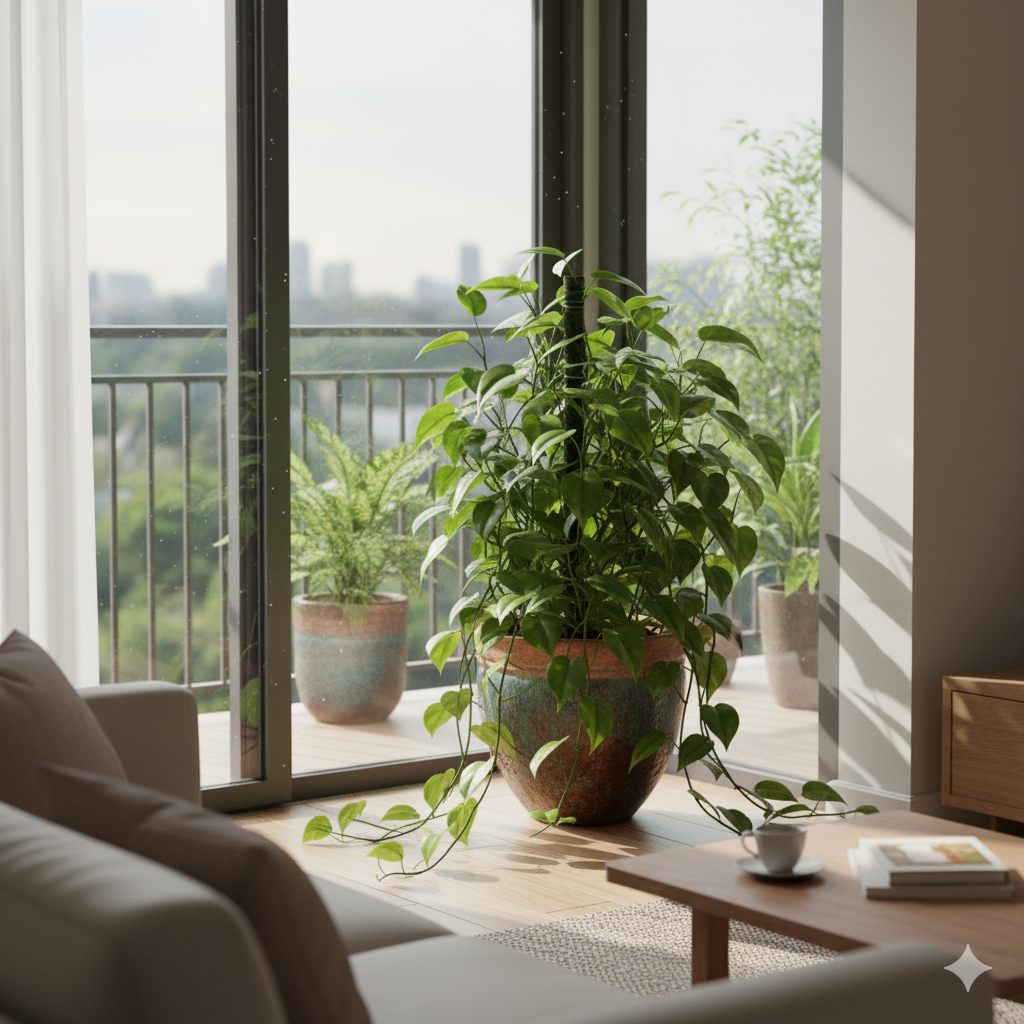
Heart-leaf philodendrons (Philodendron hederaceum) are beloved indoor plants, prized for their glossy, heart-shaped leaves and trailing vines. Their easygoing nature makes them perfect for beginners, and their elegant appearance adds a touch of greenery to any home or office. To keep a heart-leaf philodendron thriving, understanding its sunlight requirements is crucial. Light influences not only the plant’s growth but also the vibrancy and health of its foliage.
Understanding Heart-Leaf Philodendron Light Needs
Native to tropical rainforests in Central and South America, heart-leaf philodendrons naturally grow under the canopy of larger trees. In these environments, they receive filtered or indirect sunlight, protected from harsh direct rays. This tropical origin explains why heart-leaf philodendrons are tolerant of lower light conditions compared to many other houseplants. They are adaptable, but they flourish best when provided with bright, indirect light that mimics their natural habitat.
Ideal Indoor Sunlight for Heart-Leaf Philodendrons
Indoors, heart-leaf philodendrons thrive in bright, indirect light. An east-facing window is often ideal because it provides gentle morning sunlight without the intensity of afternoon rays. South- or west-facing windows can also work, but placing the plant slightly away from the window or using a sheer curtain to diffuse light will prevent leaf burn. While heart-leaf philodendrons can tolerate low-light environments, insufficient light slows growth, and the vines may become leggy as they stretch toward the light source.
Signs of Too Much Sunlight
Excessive direct sunlight can damage heart-leaf philodendrons. Symptoms of too much light include yellowing or browning leaves, scorched leaf edges, and curling or dried foliage. Prolonged exposure to harsh sun can cause stress and stunt growth. If you notice these signs, moving the plant to a location with filtered light or using a sheer curtain to diffuse sunlight is recommended.
Signs of Too Little Sunlight
Heart-leaf philodendrons are known for their tolerance of low-light conditions, making them suitable for offices or rooms with minimal natural light. However, when light is too low for an extended period, growth slows significantly, leaves may become smaller or pale, and vines may elongate unnaturally. While the plant can survive in dimly lit spaces, moderate indirect light promotes healthier, fuller growth and richer green foliage.
Balancing Light with Other Care Needs
Light alone isn’t enough for optimal growth. Heart-leaf philodendrons also require consistent watering, moderate humidity, and well-draining soil. Overwatering in low-light conditions can lead to root rot, while intense sunlight combined with dry indoor air can stress the plant. Providing a balance of light, water, and humidity ensures that the philodendron remains vibrant and resilient.
Using Artificial Lighting Indoors
In areas where natural sunlight is limited, heart-leaf philodendrons respond well to fluorescent or LED grow lights. Positioning the light 12–18 inches above the plant and running it for 12–14 hours a day can simulate natural light cycles. This is particularly helpful in winter or in offices without adequate window exposure. Artificial lighting can help maintain lush foliage and encourage healthy growth in low-light indoor spaces.
Monitoring and Adjusting Your Plant
Regular observation is key to keeping your philodendron healthy. Signs such as yellowing, browning, or elongated vines indicate the need for light adjustment. Rotating the plant occasionally ensures even light exposure for all leaves, preventing lopsided growth and encouraging a fuller appearance.
Choosing the Right Location Indoors
Ideal indoor locations for heart-leaf philodendrons include:
-
Near east-facing windows with soft morning sunlight.
-
Near south- or west-facing windows with filtered or diffused light.
-
Rooms with bright, indirect light from multiple directions.
Avoid placing the plant in harsh direct sunlight or near heating vents, air conditioners, or drafty areas, as these conditions can stress the plant and damage foliage.
Conclusion
Heart-leaf philodendrons are adaptable and forgiving indoor plants, thriving in bright, indirect light but capable of tolerating lower-light conditions. Too much direct sun can scorch leaves, while too little light slows growth and reduces foliage vibrancy. By positioning your plant near the right light source, supplementing with artificial lighting if necessary, and balancing light with proper watering and humidity, your heart-leaf philodendron can flourish indoors. Its trailing vines, lush foliage, and low-maintenance nature make it a lasting, attractive addition to any home or office, bringing beauty and a touch of tropical elegance to your indoor space.