
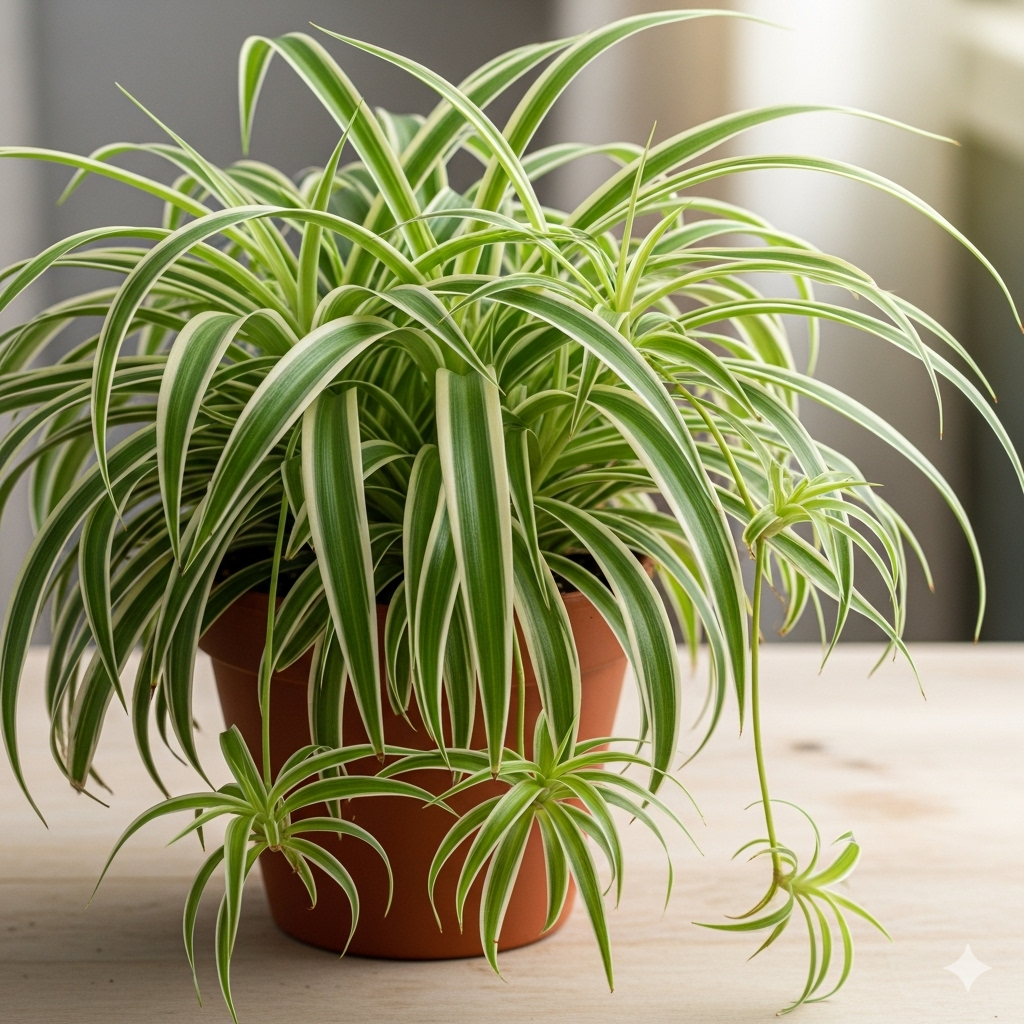
Spider plants (Chlorophytum comosum) are among the most popular and forgiving houseplants. With their graceful, arching leaves and ability to produce “baby” plantlets that dangle like ornaments, they are a favorite choice for both beginners and seasoned plant lovers. Spider plants are known for their adaptability, but one question often arises: can spider plants survive without sunlight?
The short answer is no—spider plants cannot survive in complete darkness. Like all green plants, they need light to photosynthesize and produce the energy required for growth. However, spider plants do not demand direct sunlight, and they are capable of thriving in low to moderate light environments with the right care.
The Natural Habitat of Spider Plants
To understand their light preferences, it helps to look at where spider plants come from. Native to the tropical regions of Africa, spider plants grow in partially shaded areas beneath taller vegetation. They are adapted to receive bright but filtered sunlight rather than harsh, direct rays. This explains why they are such versatile indoor plants—they can adapt to a variety of light conditions, as long as they are not kept in total darkness.
Do Spider Plants Need Direct Sunlight?
Spider plants do not need direct sunlight to grow. In fact, prolonged exposure to strong midday or afternoon sun can damage their leaves, causing brown tips or scorched patches. Instead, they grow best in bright, indirect light.
A room with an east- or north-facing window is often perfect for spider plants. South- and west-facing windows may also work if the plant is kept a few feet back or if a sheer curtain softens the intensity of the sun.
Can Spider Plants Survive in Low Light?
Yes, spider plants can survive in low-light conditions, but their growth may slow down, and the leaves may lose some of their vibrancy. Variegated spider plants, which feature white or yellow streaks along their leaves, may begin to produce more solid green foliage in dimmer conditions. This is the plant’s way of compensating for less light by producing more chlorophyll.
In very dark corners with no natural light, spider plants will eventually weaken. They may survive for a time but will not thrive long-term. To keep them healthy in such spaces, you’ll need to provide artificial light.
Signs of Light Stress in Spider Plants
Your spider plant will often signal if it is not getting the right amount of light. Look for these common signs:
-
Too little light: Slower growth, pale leaves, loss of variegation, and fewer spiderettes (baby plants).
-
Too much light: Brown tips, crispy patches, or bleached spots on the leaves.
-
Healthy light balance: Vibrant green leaves with clear variegation and steady production of new growth.
Monitoring these signs can help you adjust the plant’s location before any lasting damage occurs.
Using Artificial Light for Spider Plants
If your home or office has very limited sunlight, spider plants can adapt well to artificial lighting. Standard fluorescent bulbs and full-spectrum LED grow lights provide sufficient brightness for these plants to photosynthesize. Place the plant about one to two feet below the light source and keep the light on for 10–12 hours daily.
Artificial lighting is especially helpful in windowless rooms, such as bathrooms or offices, where spider plants are often displayed for their decorative appeal.
Extra Tips for Light Management
To keep your spider plant thriving regardless of its placement, here are a few additional care tips:
-
Rotate regularly: Turn the pot every couple of weeks so all sides receive even light and prevent lopsided growth.
-
Clean the leaves: Dust buildup reduces light absorption. Wipe the leaves gently with a damp cloth once a month.
-
Adjust watering: Spider plants in low light grow more slowly and use less water. Allow the soil to dry out slightly before watering again to avoid root rot.
-
Watch for seasonal changes: A spot that provides good light in summer may be too dim in winter. Move the plant closer to a window or add supplemental lighting during darker months.
Conclusion
Spider plants cannot survive without any light at all, but they do not need direct sunlight to grow. Their natural adaptability makes them excellent houseplants for spaces with indirect or filtered light. They can tolerate low-light conditions, although growth will be slower and variegation may fade. With the help of artificial lighting, they can even flourish in windowless rooms.
By choosing the right spot and paying attention to how your spider plant responds to its environment, you can enjoy its lively, arching leaves and playful baby plantlets in nearly any indoor setting. With just a little attention to light, spider plants will reward you with years of beauty and resilience.